
Introduction
In precision manufacturing, insert moulding and overmoulding are two advanced injection moulding techniques that enhance product functionality, durability, and aesthetics. While both processes involve combining multiple materials or components into a single part, they serve distinct purposes and offer unique advantages. Understanding the differences between insert moulding and overmoulding is crucial for manufacturers and designers aiming to optimize product design and production efficiency. This blog post explores the key distinctions, applications, benefits, and considerations for both techniques, helping you choose the right process for your project.
What is Insert Moulding?
Insert moulding involves placing a pre-formed component—typically a metal or plastic insert—into a mould cavity before injecting molten plastic around it. The plastic encases the insert, creating a single, integrated part with enhanced strength, functionality, or assembly efficiency.
Key Features of Insert Moulding
- Insert Type: Metal (e.g., threaded inserts, pins) or plastic components.
- Process: The insert is placed manually or robotically into the mould, and plastic is injected to bond with it.
- Bonding: Mechanical or chemical bonding between the insert and plastic ensures a secure connection.
Applications of Insert Moulding
- Automotive: Threaded inserts for secure fastening in dashboards or engine components.
- Electronics: Metal pins or connectors embedded in plastic housings for circuit boards.
- Medical Devices: Surgical tools with metal cores encased in biocompatible plastic.
What is Overmoulding?
Overmoulding involves moulding one material (usually a soft plastic or rubber-like material) over a pre-existing substrate, typically a rigid plastic or metal part. This creates a composite part with improved ergonomics, grip, or aesthetic appeal.
Key Features of Overmoulding
- Substrate: A pre-moulded plastic or metal part serves as the base.
- Process: The substrate is placed in a mould, and a secondary material (often TPE or TPU) is injected over it.
- Bonding: Chemical or mechanical bonding ensures adhesion between the substrate and overmoulded material.
Applications of Overmoulding
- Consumer Products: Soft-grip handles on tools or toothbrushes for enhanced comfort.
- Automotive: Rubberized grips on steering wheels or gear knobs.
- Electronics: Protective, shock-absorbing layers on phone cases or wearables.
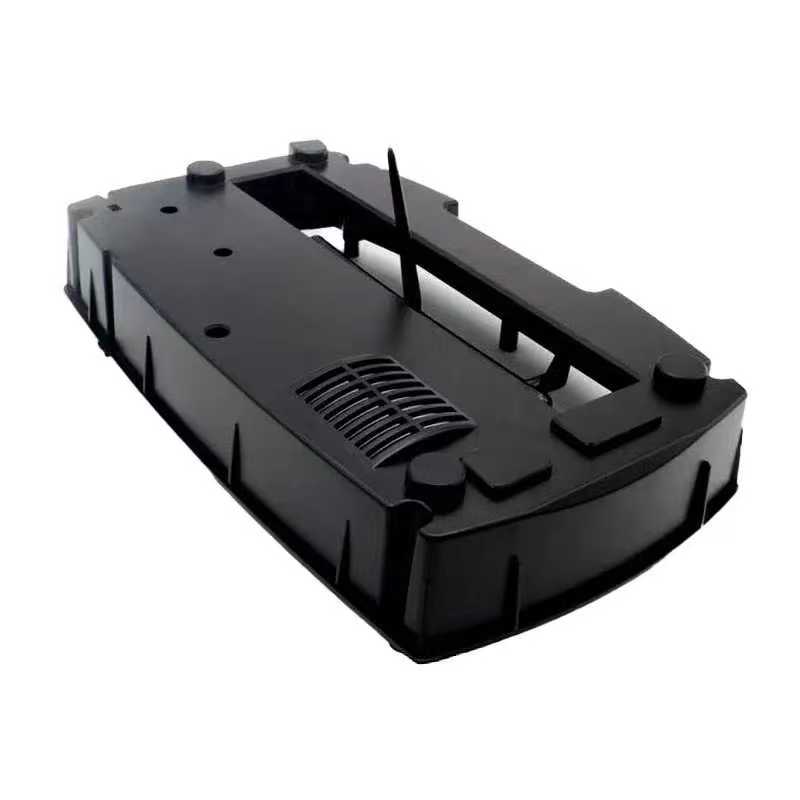
Insert Moulding vs. Overmoulding: Key Differences
| Aspect | Insert Moulding | Overmoulding |
|---|---|---|
| Primary Purpose | Integrates a pre-formed insert (metal/plastic) into a plastic part for structural strength or functionality. | Adds a secondary material (often soft) over a substrate for ergonomics, aesthetics, or protection. |
| Insert/Substrate | Typically metal or rigid plastic inserts. | Usually a rigid plastic or metal substrate. |
| Material Used | Single plastic material to encase the insert. | Two materials (e.g., rigid plastic + soft TPE/TPU). |
| Process Complexity | Simpler; one moulding cycle. | More complex; often requires multiple moulding cycles. |
| Applications | Functional components like threaded inserts or connectors. | Ergonomic or protective features like grips or seals. |
| Cost | Generally lower due to single-shot moulding. | Higher due to multi-material or multi-step processes. |
Benefits and Challenges
Insert Moulding
Benefits:
- Enhanced Strength: Combines metal and plastic for robust, integrated parts.
- Reduced Assembly Time: Eliminates secondary assembly steps, lowering costs.
- Precision: Ideal for tight-tolerance applications like medical or electronic components.
Challenges:
- Insert Placement: Requires precise placement to avoid defects.
- Material Compatibility: Insert and plastic must bond effectively to prevent delamination.
Overmoulding
Benefits:
- Improved Ergonomics: Soft materials enhance user comfort and grip.
- Aesthetic Versatility: Multi-material designs allow for vibrant colors and textures.
- Durability: Adds protective layers to extend product lifespan.
Challenges:
- Complex Tooling: Requires multiple moulds or sophisticated equipment.
- Material Bonding: Incompatible materials may lead to weak adhesion.
Choosing Between Insert Moulding and Overmoulding
When deciding between insert moulding and overmoulding, consider the following factors:
- Functional Requirements: Choose insert moulding for structural integrity or mechanical fastening (e.g., threaded inserts). Opt for overmoulding for ergonomic or protective features.
- Material Needs: Insert moulding is ideal for combining metal and plastic, while overmoulding excels in multi-material designs (e.g., rigid + soft plastics).
- Production Volume: Insert moulding is often more cost-effective for high-volume production due to its simpler process.
- Design Complexity: Overmoulding suits complex designs requiring aesthetic or tactile enhancements.
Applications Across Industries
| Industry | Insert Moulding | Overmoulding |
|---|---|---|
| Automotive | Threaded inserts for engine components | Soft grips on gear knobs or steering wheels |
| Electronics | Metal connectors in plastic housings | Shock-absorbing layers on device casings |
| Medical | Metal cores in surgical tools | Soft-touch grips on medical devices |
| Consumer Goods | Fasteners in appliance components | Ergonomic handles on tools or kitchenware |
Conclusion
Insert moulding and overmoulding are powerful injection moulding techniques that cater to different manufacturing goals. Insert moulding excels in creating strong, functional parts with embedded components, while overmoulding enhances products with ergonomic, aesthetic, or protective features. By understanding their differences, manufacturers can make informed decisions to improve product design, production efficiency, and cost-effectiveness.
Ready to elevate your manufacturing with insert moulding or overmoulding? Partner with a trusted CNC machining and injection moulding provider to bring your designs to life with precision and quality. Contact us today to explore tailored moulding solutions for your next project!
At Ze-tech Mold, we offer a range of high-quality solutions including vacuum casting, CNC machining, 3D printing, die casting, and more. We provide a one-stop service for your custom part production projects, covering design, production, and transportation, turning your ideas into reality.
To start your next project, simply send your CAD design to our website contact form, and our engineering team will provide a quote.