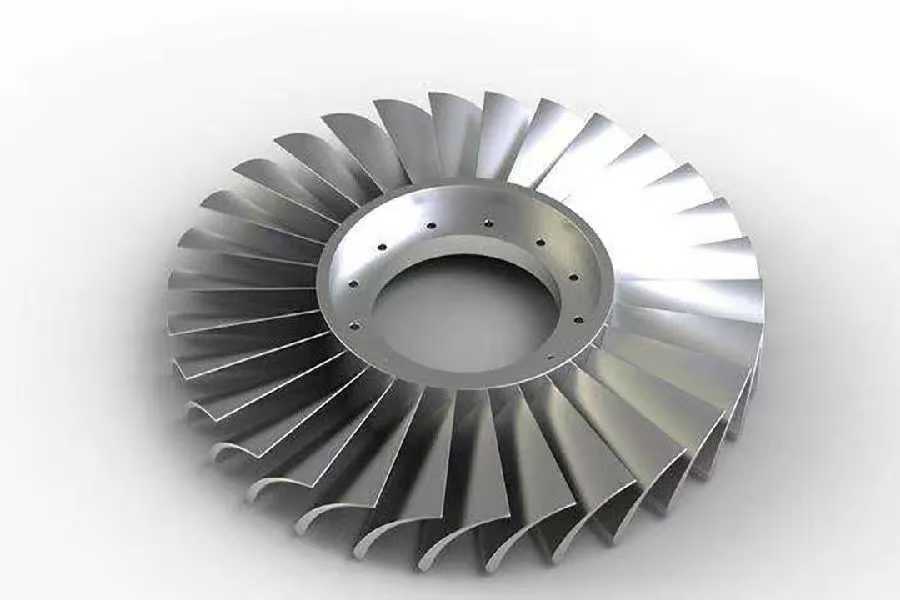
CNC Machining for Aerospace Components: Precision, Safety, and Certification

Introduction In the aerospace industry, precision is not just a competitive advantage — it is a matter of safety and compliance. Aircraft components are subject to extreme environments, including high temperatures, vibration, and rapid pressure changes. To meet these requirements, CNC machining has become a cornerstone of aerospace manufacturing, enabling the production of highly accurate, […]

CNC Machining for Aerospace Components: Precision, Safety, and Certification Read More »
Assembly in Sheet Metal Fabrication: Fastening, Welding, and Adhesives Explained

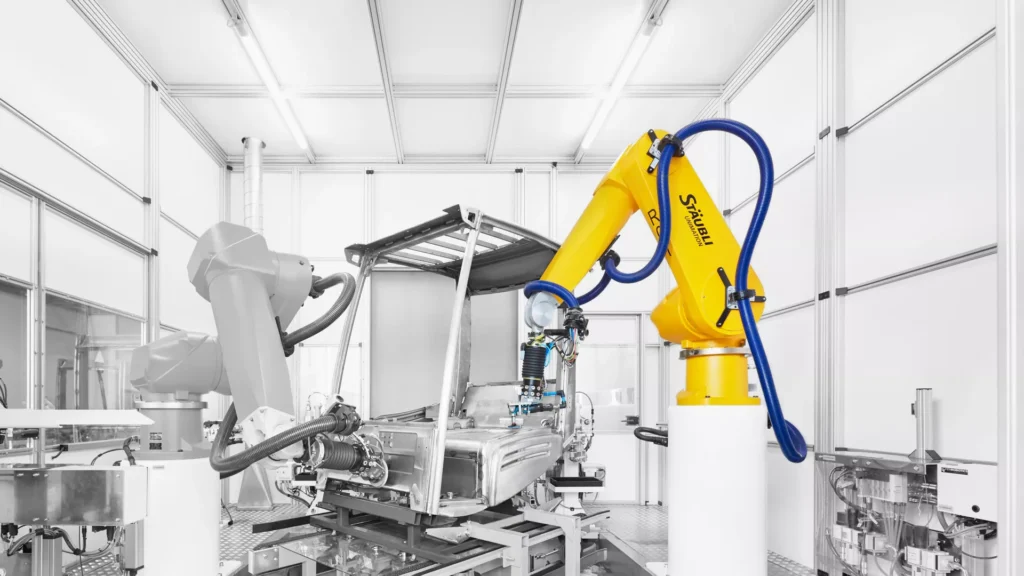
In sheet metal fabrication, manufacturing precision is only half of the story—assembly determines whether the final product performs reliably in real-world applications. From aerospace components to consumer electronics, the method of joining sheet metal parts directly affects structural strength, aesthetics, production speed, and cost. This article explores the three primary assembly methods—fastening, welding, and adhesives—detailing

Assembly in Sheet Metal Fabrication: Fastening, Welding, and Adhesives Explained Read More »

The Environmental Impact of Manufacturing: How CNC, 3D Printing, and Injection Molding Compare

Introduction As global industries shift toward sustainability, evaluating the environmental impact of manufacturing processes has become a priority. Among the most widely used methods — CNC machining, 3D printing (additive manufacturing), and injection molding — each has unique strengths and trade-offs in terms of material efficiency, energy consumption, waste generation, and lifecycle impact. This article

The Environmental Impact of Manufacturing: How CNC, 3D Printing, and Injection Molding Compare Read More »

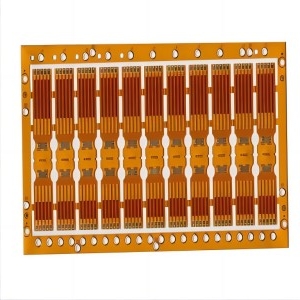
The Role of Tolerances in PCB Manufacturing and Assembly

In the electronics industry, Printed Circuit Boards (PCBs) form the backbone of almost every product, from consumer devices to aerospace equipment. Precision in PCB manufacturing and assembly directly determines signal integrity, product reliability, and compliance with industry standards such as IPC-2221 and IPC-A-600. One of the most critical — and often underestimated — factors in

The Role of Tolerances in PCB Manufacturing and Assembly Read More »

Designing Plastic Parts for Injection Molding: Draft Angles, Wall Thickness, and Beyond

Injection molding is one of the most widely used manufacturing processes for producing plastic parts at scale. However, achieving high-quality, cost-effective, and durable molded components requires careful Design for Manufacturability (DFM). Engineers must consider multiple design elements—such as draft angles, wall thickness, ribs, fillets, and gating—early in the product development cycle to avoid costly tooling

Designing Plastic Parts for Injection Molding: Draft Angles, Wall Thickness, and Beyond Read More »

Scroll to Top
Fill out the form below, and we will be in touch shortly.

talk to our team

we make you want

Contact us

Michelle Tang:

0086 18025337983