
In sheet metal fabrication, achieving a balance between product functionality, manufacturability, and cost efficiency is essential. Design for Manufacturability (DFM) ensures that designs are optimized for production while minimizing waste, reducing lead times, and controlling costs. By considering DFM principles early in the design phase, engineers and manufacturers can avoid costly redesigns and streamline production.
Why DFM Matters in Sheet Metal Fabrication
- Cost Reduction – Early optimization avoids unnecessary complexity that increases tooling and machining costs.
- Improved Quality – DFM principles minimize tolerance stack-ups and ensure structural integrity.
- Faster Lead Times – Simplified designs reduce setup and machining time.
- Material Efficiency – Proper nesting and dimension planning reduce scrap rates.
Key DFM Considerations in Sheet Metal Fabrication
| Design Aspect | DFM Recommendation | Impact on Manufacturing |
|---|---|---|
| Material Selection | Choose standard gauges (e.g., 18, 20, 22 GA) and materials available in local supply. | Reduces procurement delays and material waste. |
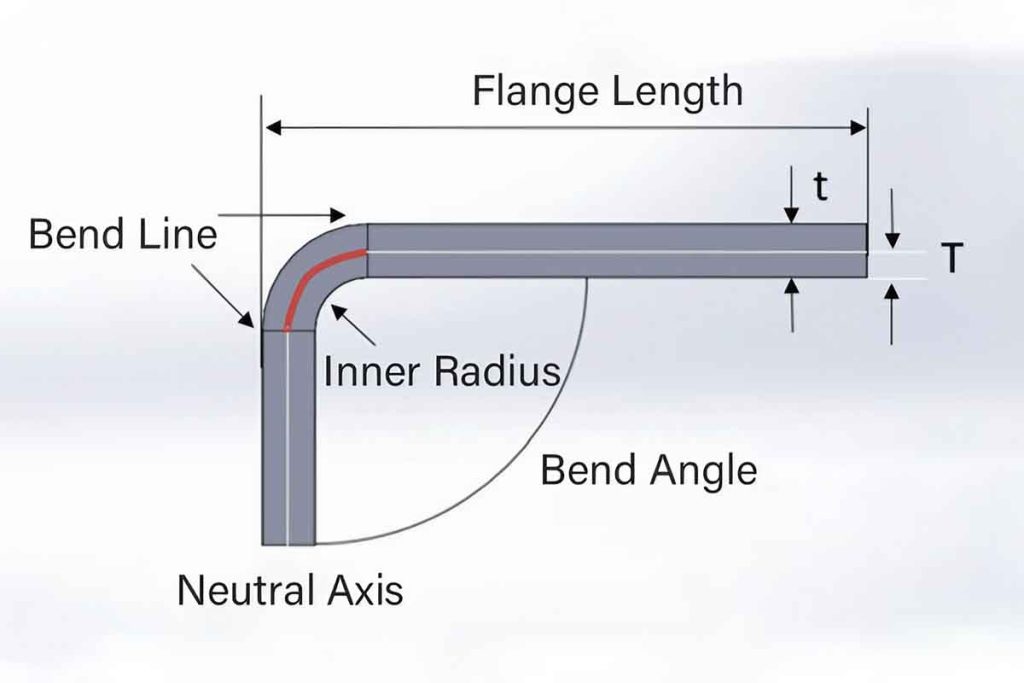
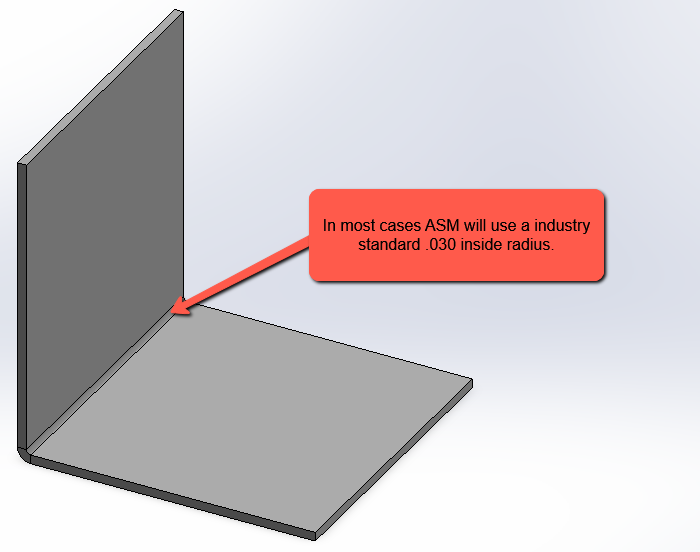
| Bend Design | Maintain a minimum bend radius ≥ material thickness. Avoid very tight bends. | Prevents cracking and reduces tooling wear. |
| Hole & Cutout Placement | Position holes ≥ 2× material thickness away from bends or edges. | Prevents distortion and ensures structural strength. |
| Tolerances | Use general tolerances where possible; only apply tight tolerances when function-critical. | Lowers machining costs and inspection time. |
| Weld & Joint Design | Favor simple lap or spot welds; minimize complex seam welds. | Reduces labor and heat distortion. |
| Surface Finishes | Select finishes (anodizing, powder coating) based on application needs, not aesthetics alone. | Balances durability and cost efficiency. |
| Part Complexity | Break down overly complex parts into simpler subassemblies. | Improves manufacturability and reduces tooling requirements. |
Common DFM Mistakes to Avoid
- Over-Specifying Tolerances – Drives up machining cost without adding value.
- Unnecessary Features – Decorative slots or cutouts often complicate manufacturing.
- Ignoring Standard Sheet Sizes – Leads to excess scrap and higher material costs.
- Too Many Secondary Processes – Multiple finishes or coatings increase lead times.
Benefits of Applying DFM Principles
- Cost Efficiency: Lower material and tooling waste.
- Consistency: Stable production with fewer defects.
- Scalability: Easier transition from prototypes to mass production.
- Collaboration: Encourages communication between designers and manufacturers.
Conclusion
In sheet metal fabrication, DFM is not just about making parts easier to produce—it’s about aligning design intent with manufacturing realities. By integrating DFM early in the design process, startups and enterprises alike can achieve cost savings, reduce time-to-market, and ensure long-term product reliability.
What We Offer at Ze-tech Mold
At Ze-tech Mold, we provide end-to-end manufacturing services, including:
- CNC Machining & Turning
- 3D printing prototype
- sheet metal fabrication
- silicone vacuum casting
- Rapid Injection molding
- surface treatments
- PCB & PCBA
Whether you’re looking for precision CNC parts or custom prototypes, we provide tailored solutions for both low-volume and large-scale production. Get in touch with us today to discuss your project and see how we can bring your ideas to life.