
Material selection is one of the most critical steps in product design and manufacturing, affecting performance, durability, cost, and aesthetics. Among hundreds of options, ABS, PA (Nylon), PP, POM (Acetal), PC (Polycarbonate), PMMA (Acrylic), and Aluminum are the most widely used.
This article explains their key properties, processing techniques, and common finishing methods, helping designers and engineers make informed decisions.
1. ABS – The Versatile Engineering Plastic
Key Properties
- Excellent toughness and impact resistance
- Good dimensional stability
- Lightweight, easy to mold
- Moderate heat resistance
- Cost-effective
Common Processing Methods
- Injection molding
- CNC machining
- FDM 3D printing
Finishing Options
- Painting, sanding, polishing
- Vapor smoothing (for 3D-printed parts)
- Electroplating for metallic look
- Laser marking or silk printing
Applications: electronics housings, toys, automotive interiors, enclosures
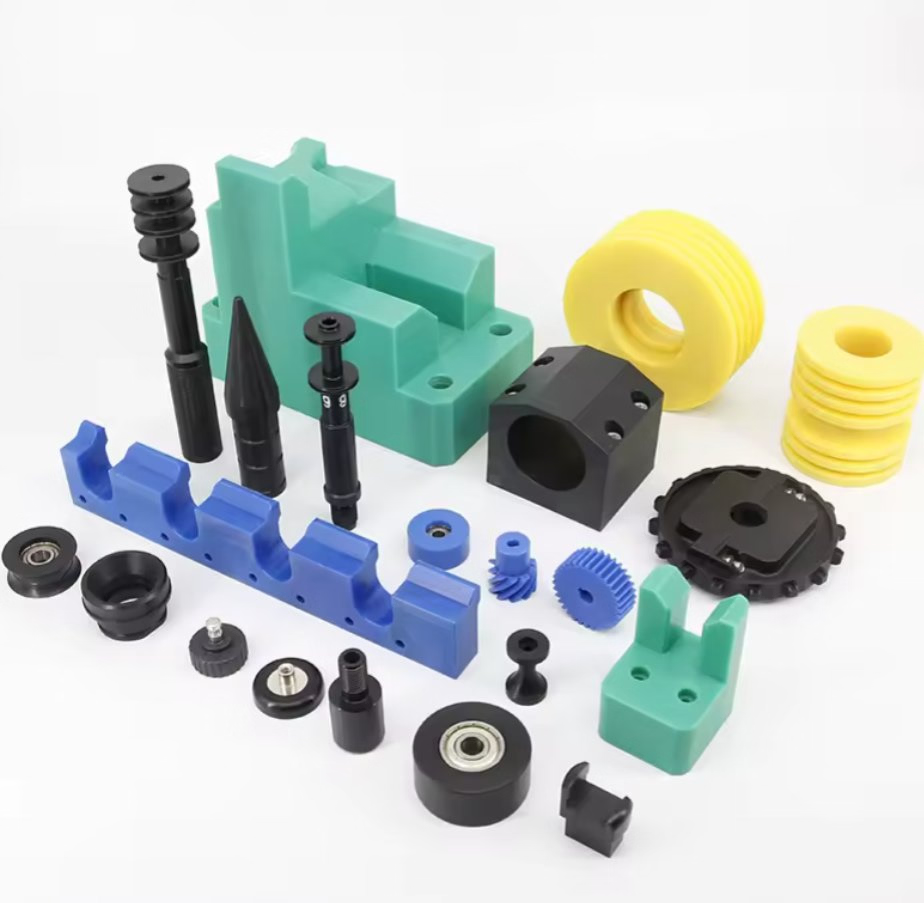
2. PA (Nylon) – Strong and Wear-Resistant
Key Properties
- High tensile strength
- Excellent wear and friction resistance
- Good chemical resistance
- Slight moisture absorption
Common Processing Methods
- Injection molding
- CNC machining
- SLS 3D printing
Finishing Options
- Dyeing, polishing, heat treatment
- Painting (with primer if needed)
Applications: gears, bearings, mechanical components, automotive parts
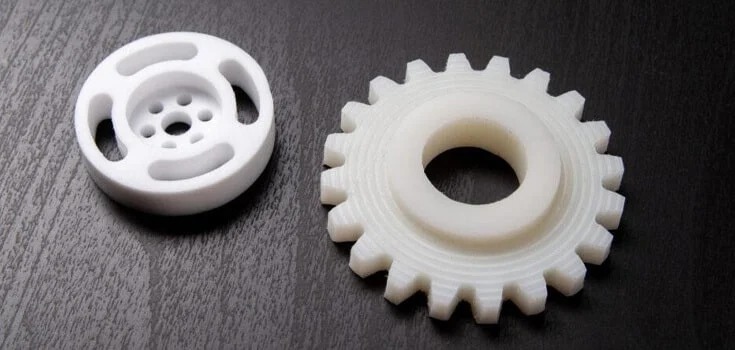
3. PP – Lightweight and Chemically Resistant
Key Properties
- Extremely light and flexible
- Excellent chemical resistance
- Durable with fatigue resistance
- Cost-effective
Common Processing Methods
- Injection molding
- Blow molding
- Extrusion
Finishing Options
- Surface coating or painting
- Printing or labeling
- Heat welding for joining
Applications: food containers, chemical tanks, automotive ducts, household products
4. POM (Acetal) – Precision Engineering Plastic
Key Properties
- High mechanical strength and rigidity
- Excellent wear and low friction
- Very stable dimensions, low water absorption
- Good chemical resistance
Common Processing Methods
- Injection molding
- CNC machining
Finishing Options
- Polishing and tumbling
- Dyeing or coating for aesthetics
- Chemical smoothing (for 3D-printed parts)
Applications: gears, bearings, mechanical components, industrial machinery
5. PC – High-Impact Transparent Plastic
Key Properties
- Exceptional impact resistance
- High transparency (up to 90%)
- Good heat resistance (~120°C)
- Electrical insulation properties
Common Processing Methods
- Injection molding
- CNC machining
- Extrusion
Finishing Options
- Polishing or flame polishing
- Hard coating to prevent scratches
- Laser marking or silk printing
Applications: headlight covers, electronic housings, protective shields, lighting components
6. PMMA (Acrylic) – Crystal-Clear Plastic
Key Properties
- Ultra-high transparency (~92%)
- High gloss, aesthetically pleasing
- Good UV and weather resistance
- Easy to machine and polish
Common Processing Methods
- CNC machining
- Laser cutting
- Thermoforming / bending
Finishing Options
- Polishing (mechanical or flame)
- Painting for colored parts
- Printing (silk screen, UV printing)
Applications: display boxes, lighting covers, signage, aquarium panels, decorative panels
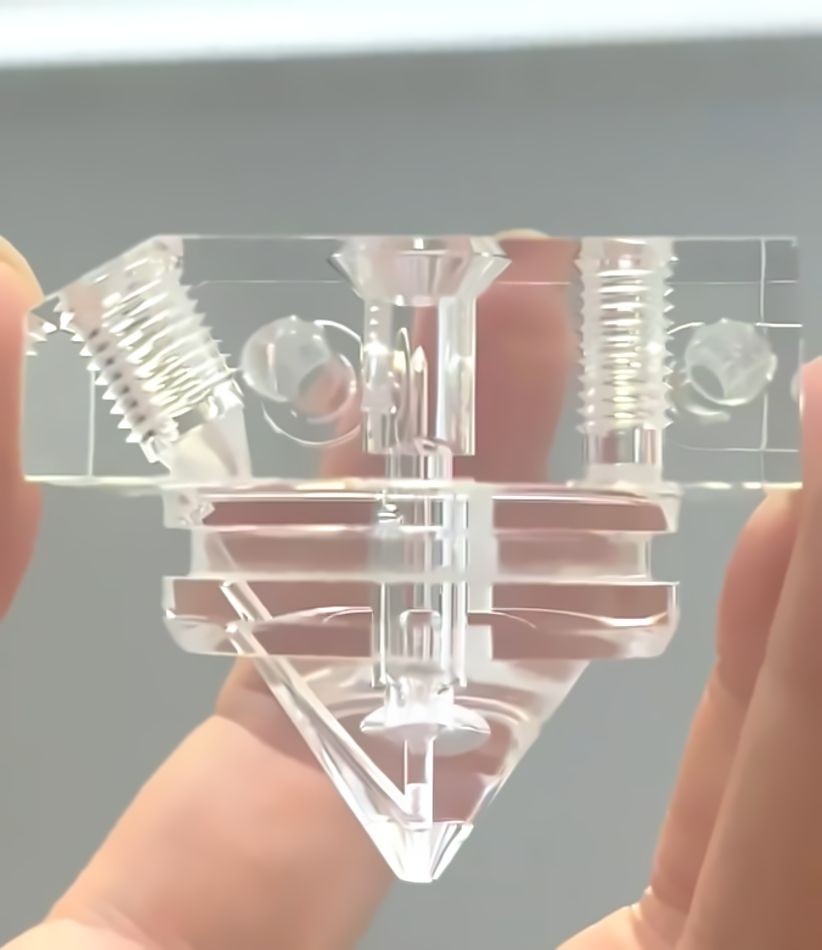
7. Aluminum – Lightweight Metal for Structural Parts
Key Properties
- High strength-to-weight ratio
- Excellent corrosion resistance
- Can be anodized for colors and protection
- Recyclable, eco-friendly
- Good machinability
Common Processing Methods
- CNC machining
- Die casting
- Extrusion
- Sheet metal forming
Finishing Options
- Anodizing
- Powder coating, painting
- Sandblasting, polishing, brushing
- Laser engraving
Applications: aerospace components, smart devices, automotive parts, industrial equipment
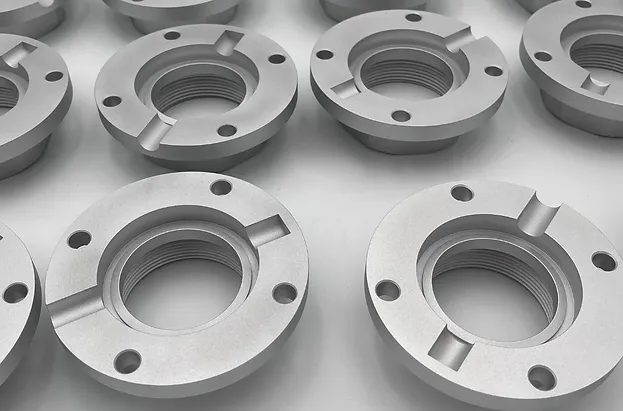
Comparison Table: Key Features
| Material | Strength | Weight | Machinability | Heat Resistance | Wear Resistance | Transparency | Applications |
|---|---|---|---|---|---|---|---|
| ABS | Medium | Light | Excellent | Moderate | Medium | Opaque | Housings, toys, enclosures |
| PA | High | Light | Good | Moderate | Excellent | Opaque | Gears, bearings, mechanical parts |
| PP | Medium | Very light | Good | Moderate | Medium | Opaque | Containers, ducts, tanks |
| POM | High | Light | Good | Moderate | Excellent | Opaque | Gears, bearings, industrial parts |
| PC | High | Light | Excellent | High | Medium | Transparent | Housings, protective shields |
| PMMA | Medium | Light | Excellent | Moderate | Medium | Highly Transparent | Displays, lighting, signage |
| Aluminum | High | Light-to-Medium | Excellent | High | Medium | Opaque / metallic | Structural parts, devices |
Conclusion
These seven materials cover most modern prototyping and production needs:
- ABS: versatile, cost-effective, ideal for housings and prototypes
- PA: durable and wear-resistant, perfect for mechanical components
- PP: lightweight and chemically resistant, great for containers and ducts
- POM: precision, low-friction, excellent for functional parts
- PC: high-impact transparent plastic, suitable for protective parts
- PMMA: crystal-clear and UV-stable, ideal for aesthetic & display parts
- Aluminum: strong, lightweight, perfect for structural and premium components
Why Choose ZE-TECH MOLD?
At ZE-TECH MOLD, we provide one-stop manufacturing solutions for ABS, PA, PP, POM, PC, PMMA, Aluminum, and more:
- Material selection guidance
- CNC machining, 3D printing, injection molding, extrusion
- Finishing: anodizing, painting, polishing, electroplating
- Fast lead times, high-quality standards, global delivery
➡ Contact ZE-TECH MOLD today and bring your design ideas to life!