
In CNC machining, tool wear significantly impacts part accuracy, surface finish, and production efficiency. As tools degrade due to friction, heat, and cutting pressure, understanding how to monitor and optimize tool life is essential for maintaining high-quality output and minimizing operational costs. This article explores the mechanisms of tool wear, advanced monitoring techniques, and proven strategies for optimizing tool performance in modern CNC manufacturing.
Why Tool Wear Matters in CNC Machining
Tool wear affects not only the quality of machined parts but also the overall productivity of CNC operations. By implementing effective tool life optimization strategies, manufacturers can reduce downtime, lower tooling costs, and improve machining precision.
Types of Tool Wear in CNC Machining
Tool wear manifests in various forms, influenced by cutting conditions, workpiece materials, and machining parameters. Understanding these types helps manufacturers select appropriate countermeasures to extend tool life.
| Type of Wear | Description | Common Causes | Typical Prevention |
|---|---|---|---|
| Flank Wear | Gradual wear on the side of the tool’s cutting edge. | Abrasive particles, prolonged cutting times. | Use coated tools, optimize feed rate. |
| Crater Wear | Pit formation on the rake face due to chip flow and heat. | High cutting temperatures, insufficient cooling. | Apply effective coolant, use heat-resistant coatings. |
| Built-Up Edge (BUE) | Material adhesion on the cutting edge, leading to rough surfaces. | Cutting soft materials, low cutting speeds. | Increase cutting speed, use proper lubrication. |
| Chipping | Small fractures or breaks along the cutting edge. | Hard inclusions, poor tool material toughness. | Select tougher tool grades, adjust cutting speed. |
| Thermal Cracking | Cracks caused by cyclic heating and cooling. | Improper coolant flow, excessive heat cycles. | Maintain consistent temperature, enhance coolant flow. |
By identifying the specific type of wear, manufacturers can tailor their approach to mitigate its effects and extend tool lifespan.
Monitoring Tool Wear for Predictive Maintenance
Modern CNC machines leverage advanced sensors and data analytics to monitor tool wear in real time, enabling predictive maintenance and reducing unexpected failures. Key monitoring methods include:
- Acoustic Emission Monitoring: Detects micro-fractures and cutting stress through sound wave analysis, enabling early identification of tool wear.
- Vibration Analysis: Identifies imbalances and tool degradation by analyzing machine vibrations, preventing quality issues.
- AI-Based Predictive Systems: Uses real-time data to predict tool wear and schedule replacements before failure occurs.
- Tool Life Modeling: Estimates tool lifespan based on parameters like cutting speed, feed rate, and depth of cut, optimizing maintenance schedules.
These techniques help manufacturers stay ahead of tool wear, ensuring consistent performance and reducing costly downtime.
Strategies for Optimizing Tool Life in CNC Machining
To maximize tool life and enhance CNC machining efficiency, manufacturers can implement the following strategies:
1. Proper Tool Selection
Selecting the right tool for the material is critical. For example:
- Carbide tools are ideal for machining steel.
- Polycrystalline Diamond (PCD) tools excel with aluminum and non-ferrous materials. Choosing tools with appropriate coatings, such as titanium nitride (TiN) or aluminum oxide, can further enhance durability.
2. Optimized Cutting Parameters
Fine-tuning cutting parameters can significantly extend tool life:
- Cutting Speed: Slightly reducing speed can minimize heat buildup.
- Feed Rate: Adjusting feed rate prevents excessive tool stress.
- Depth of Cut: Optimizing depth ensures efficient material removal without overloading the tool.
Balancing these parameters maintains throughput while prolonging tool life.
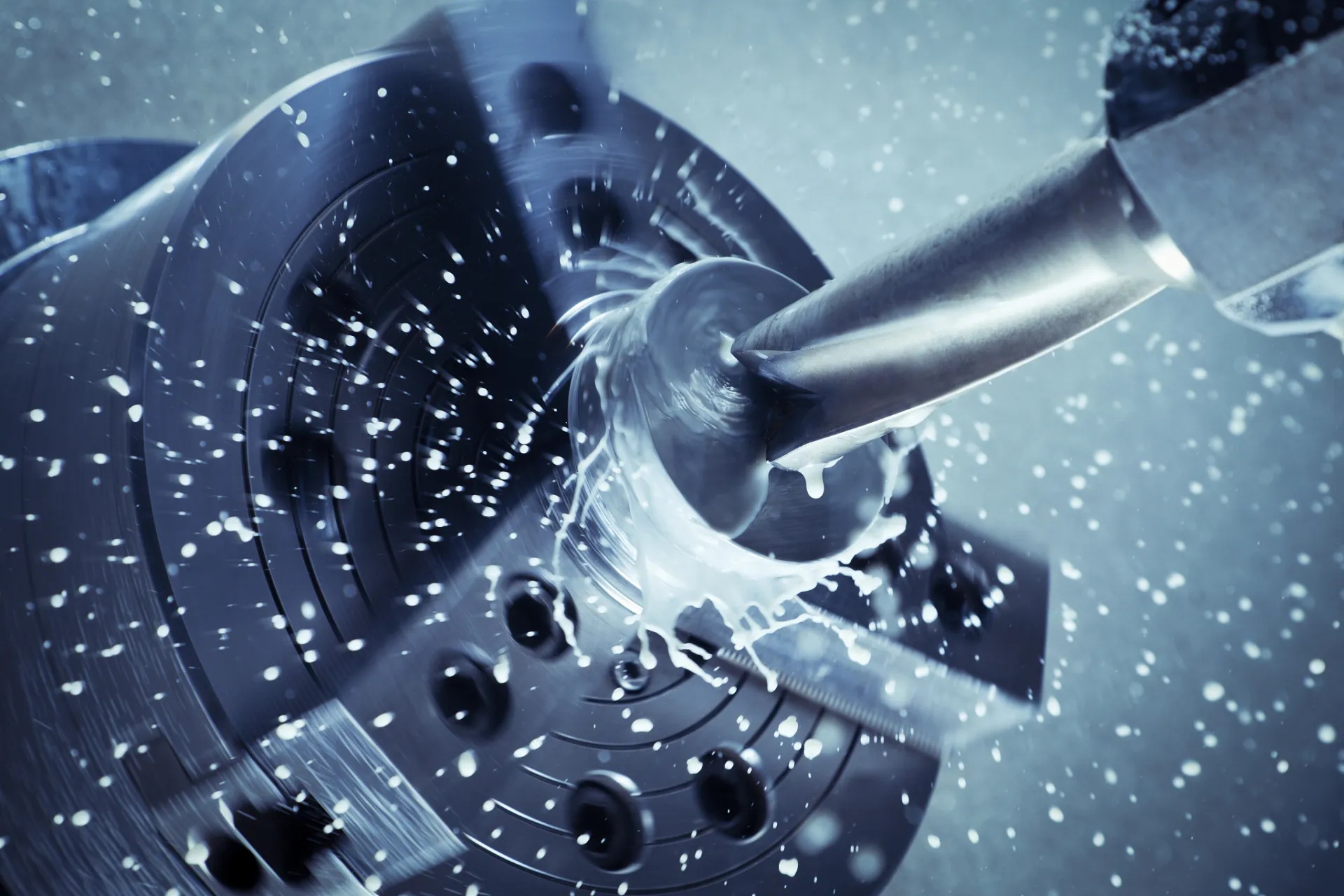
3. Efficient Cooling and Lubrication
Effective cooling reduces friction and heat, key contributors to tool wear:
- Minimum Quantity Lubrication (MQL): Delivers precise lubricant amounts to reduce friction.
- High-Pressure Coolant Systems: Dissipate heat effectively, especially in high-speed machining.
4. Regular Tool Inspection and Replacement Cycles
Implementing scheduled tool inspections and replacement cycles prevents catastrophic failures that could damage parts or machines. Regular checks ensure tools are replaced before significant wear compromises quality.
5. Automation and AI Integration
Smart CNC systems equipped with AI can:
- Monitor tool wear in real time.
- Automatically adjust cutting conditions to optimize performance.
- Predict tool failure, enabling proactive maintenance.
By integrating automation, manufacturers can achieve consistent results and reduce human error.
Conclusion
Tool wear is an inevitable challenge in CNC machining, but with the right strategies, it can be effectively managed. By leveraging real-time monitoring, optimizing cutting parameters, selecting appropriate tools, and integrating AI-driven systems, manufacturers can achieve:
- Longer tool life,
- Lower operational costs,
- Consistent part quality, and
- Maximized CNC machine uptime.
Investing in tool life optimization not only enhances productivity but also ensures a competitive edge in modern manufacturing.
Ready to Optimize Your CNC Machining Process?
Explore advanced tool wear monitoring solutions and cutting-edge CNC technologies to boost efficiency and reduce costs. Stay ahead in precision manufacturing with smarter tool management strategies.